
Understanding the Gambler’s Mindset
The psychology of casino gamblers is a fascinating area of study that delves into the behaviors, motivations, and emotional drives behind gambling. At its core, gambling is often seen as a pursuit of thrill and an escape from the mundane aspects of life. Gamblers may enjoy the excitement of risk-taking and the potential for big wins, often leading them to continue playing despite losses. Interestingly, many players turn to platforms like 1win to enhance their experience, as this mindset can create a cycle where the thrill of gambling becomes addictive, fueled by both the highs of winning and the hope of recapturing lost money.
Moreover, cognitive biases also play a significant role in how gamblers perceive their chances of winning. Gamblers often fall prey to the illusion of control, believing that their actions can influence outcomes, even in games predominantly determined by chance. This misconception can lead to increased gambling participation, as players feel empowered by their perceived ability to manipulate results. Understanding these cognitive distortions can provide insight into the persistent behaviors of gamblers in casinos.
The emotional state of gamblers can fluctuate dramatically, which is another critical aspect of their psychology. Feelings of excitement during winning or anticipation before a bet can create a euphoric state that often clouds judgment. Conversely, losses can result in feelings of despair or frustration, which gamblers sometimes try to alleviate by returning to the gambling floor. Recognizing this emotional rollercoaster offers a clearer view of why many are drawn back into the cycle of gambling despite the potential negative consequences.
The Role of Environment in Gambling Behavior
The environment of a casino is meticulously designed to influence the behavior of its patrons. From the layout of the games to the enticing sounds and lights, every element is crafted to keep gamblers engaged. This sensory overload is strategically utilized to enhance the excitement and create a captivating atmosphere that encourages prolonged play. Research shows that such environments can lead to a dissociative state where players lose track of time and money, drawn in by the immersive experience.
Additionally, the positioning of games and the presence of other gamblers can significantly affect individual gambling behavior. For example, high-stakes games tend to attract more aggressive players, while areas with lower limits may foster a more casual gambling atmosphere. The social aspect of gambling cannot be ignored; engaging with others often amplifies the thrill and excitement. Gamblers are likely to feed off the energy of their peers, leading to a shared experience that can intensify their emotional responses.
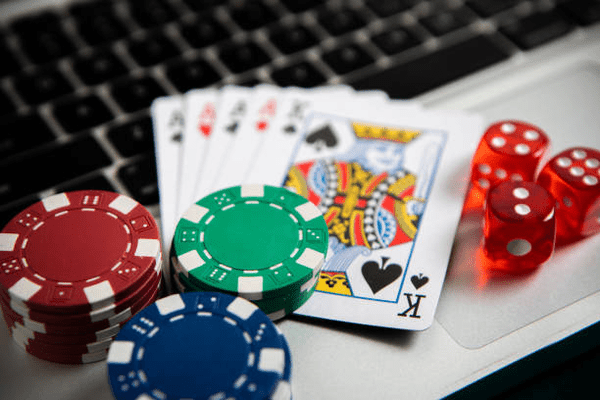
The lighting and décor of a casino also play crucial roles in shaping the overall gambling experience. Bright lights and vibrant colors evoke feelings of joy and excitement, encouraging players to spend more time at the tables or machines. Conversely, softer lighting may lead to a more relaxed atmosphere, allowing for thoughtful gambling choices. By understanding how these environmental factors affect behavior, casino operators can enhance the chances of players staying longer and spending more money.
Cognitive Biases and Gambling Addiction
Cognitive biases are mental shortcuts that can lead to faulty reasoning and decision-making, particularly in gambling. One prevalent bias is the ‘gambler’s fallacy,’ where individuals believe that past events influence future outcomes. For instance, a player may think that if a slot machine hasn’t paid out recently, a win is overdue. This flawed thinking can drive gamblers to wager more in hopes of a favorable outcome. Understanding these biases is vital for identifying patterns of behavior that can lead to addiction.
Another significant factor is the concept of ‘loss aversion.’ This principle suggests that losses are felt more acutely than equivalent gains, prompting individuals to chase losses aggressively. Consequently, a gambler who experiences a significant loss may increase their bets to recover lost funds, further entrenching them in a cycle of gambling. Awareness of this phenomenon can aid in developing strategies for responsible gambling and preventing addiction.
The intersection of cognitive biases and emotional triggers creates a complex landscape for gamblers. Emotional states, such as stress or happiness, can provoke irrational betting behaviors, often leading to impulsive decisions. By recognizing these triggers, individuals can better understand their gambling habits and work towards mitigating negative outcomes. Casinos often capitalize on these psychological traits, which can create a challenging environment for those looking to gamble responsibly.
Social Influences and Gambling Behavior
Social influences are pivotal in shaping an individual’s gambling behavior. Peer pressure can significantly impact gamblers, especially in group settings where the excitement and energy of others may spur one to take bigger risks than they typically would alone. Friends or family who endorse gambling can also validate risky behaviors, normalizing the activity and reinforcing the notion that it is a socially acceptable form of entertainment. This social validation can lead to increased participation and even addiction in some cases.

The role of social identity further complicates gambling behavior. Many gamblers develop a social identity centered around gaming, associating themselves with others who share similar interests. This affiliation can create a sense of belonging that makes the experience more enticing. Participating in gambling as part of a social group provides an outlet for social interaction, further blurring the lines between healthy gaming and compulsive behavior.
Moreover, the rise of online gambling has transformed social interactions related to gaming. Virtual platforms often create communities where players share experiences, celebrate wins, and commiserate over losses, reinforcing their gambling identities. These online interactions can lead to increased gambling frequency, as individuals enjoy the camaraderie and support from like-minded peers. Understanding these social dynamics is crucial for addressing gambling behaviors among individuals and communities.
Resources for Responsible Gambling
For those who find themselves caught in the cycle of gambling, a variety of resources are available to promote responsible gaming habits. Many casinos now provide information on responsible gambling practices, helping players understand their limits and recognize the signs of problem gambling. These efforts aim to create a safe gambling environment where players can enjoy their experiences without falling prey to addiction.
Support groups and counseling services also play a vital role in assisting individuals struggling with gambling addiction. Programs like Gamblers Anonymous offer a community-based approach, allowing individuals to share their experiences and learn from others who have faced similar challenges. Additionally, professional counseling services can provide personalized strategies to help individuals regain control over their gambling behaviors, fostering healthier habits.
Lastly, educational initiatives focusing on the psychological aspects of gambling are becoming increasingly important. By raising awareness about cognitive biases, emotional triggers, and social influences, individuals can be better equipped to make informed decisions about their gambling activities. Websites and organizations dedicated to promoting responsible gambling provide valuable information and resources for those looking to understand their relationship with gambling, paving the way for healthier choices.
